The Rise of the Capture Agent: Why AI Smart Rings Are Replacing the Smartphone for Notes
Forget your phone. A new class of AI smart rings uses on-device AI to capture thoughts and automate tasks in under a second.

Marcus Feldman writes about hardware security and the consumer-electronics supply chain.
I. The Current State
The most interesting question in consumer AI hardware right now is not model quality. It is interface latency, measured not in milliseconds of inference but in the human seconds between having a thought and getting it into a system that can act on it.
By that measure, the smartphone, the device that was supposed to be our external brain, performs surprisingly badly. Reaching for a phone, unlocking it, finding an app, and typing is a six step pipeline with a failure mode familiar to everyone: the thought evaporates before step four. A wave of AI capture wearables has emerged to attack exactly this gap, and the ring, still best known as a health tracker rather than a recorder, is quietly becoming the most credible capture form factor in the race.
The market backdrop explains the urgency. Industry analysts put the smart ring segment on a 20-plus percent compound annual growth path through 2030, and the broader wearable AI market reached $43.64 billion in 2025 and, per Grand View Research, is projected to grow at a 27.83% CAGR from 2026 onward. Capital has relabeled the trend "ambient computing," but the mechanics underneath are concrete: inference is migrating to the edge, capture hardware is shrinking below the threshold of notice, and the first credible always on AI interfaces are arriving on the body rather than in the pocket.
Within that expansion, the category is moving through three acts. Act one was documentation: clip-on meeting recorders that turned speech into structured notes, where the moat was retail shelf space. Act two, now underway, is classification: always worn devices that understand what you meant and route it into the right system, where the moat shifts to privacy and edge processing. Act three, still ahead, is anticipation: hardware that behaves less like a recorder and more like an agent OS, where the moat becomes ecosystem integration. What follows is the case for the ring winning act two, the honest engineering counter arguments, and what each stakeholder should do about it.
From transcription tools to capture agents
The first generation of AI voice hardware, led by clip on devices such as Plaud's Note and NotePin, proved there was real demand: professionals will pay hardware money plus a $79-$149 annual subscription to have meetings turned into structured notes. The commercial evidence is unambiguous. Plaud built a direct-to-consumer machine strong enough to land shelf space at Costco and Best Buy, with roughly half its revenue coming from North America, the market that has historically decided whether a productivity hardware category becomes real.
But that generation also revealed a ceiling. Devices designed around meetings live in the meeting context. Episodic use hardware must be remembered, charged, and worn for the occasion, and a capture device that is not on your body when the thought arrives has a coverage problem no summarization model can fix.
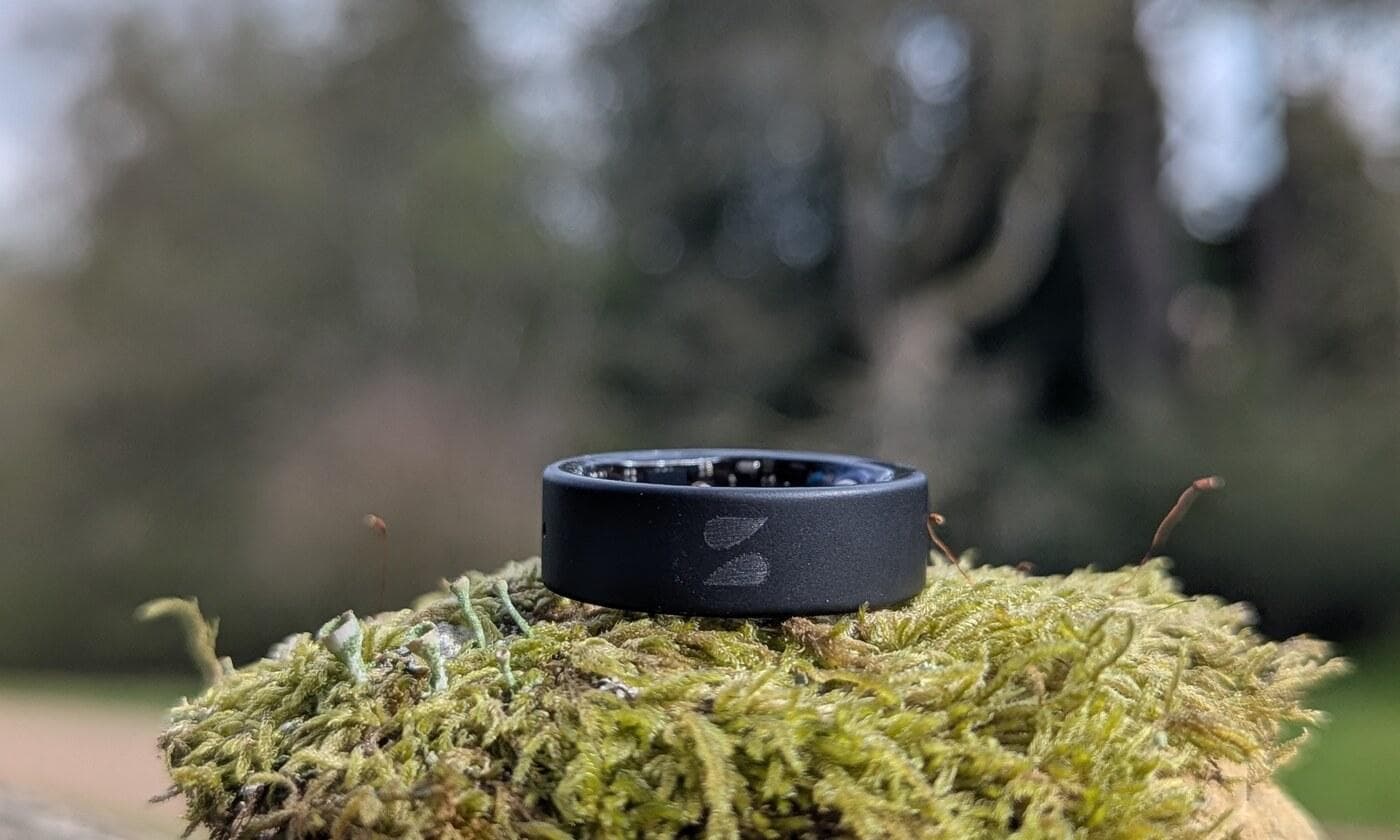
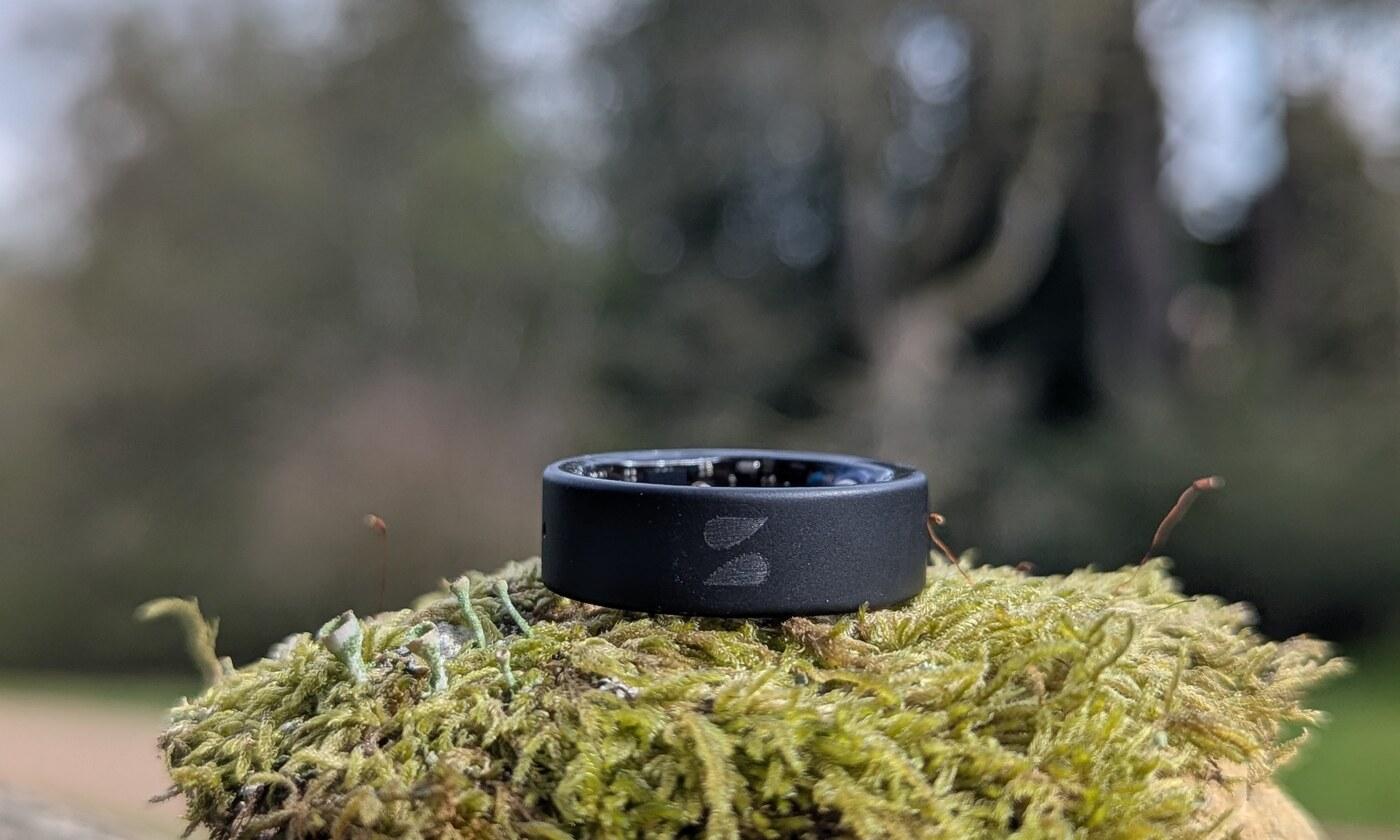
The second generation inverts the premise: not a tool you deploy for events, but an input surface that is simply always on your body. Spark Ring, an AI-native smart ring that debuted at CES 2026 and is launching through the current crowdfunding cycle, is the clearest articulation of this thesis. A double tap wakes the device in under 100 milliseconds, speech is transcribed on device, and a model classifies intent, routing the utterance into a reminder, a note, or a draft. The differentiator is not transcription, which is commoditizing rapidly, but classification and routing: the transformation of speech into structured, actionable state. The ring generation already holds more than one philosophy. Vocci, from Gyges Labs, takes the opposite tack: a far field microphone tuned to catch your voice at a distance and a highlight marking workflow, engineered to capture raw audio rather than sort it. That is the fault line running through the category, recording first versus routing first, and it is the axis on which these rings will be judged.
Why the ring, and why on device
Two engineering constraints make the ring form factor more consequential than it first appears.
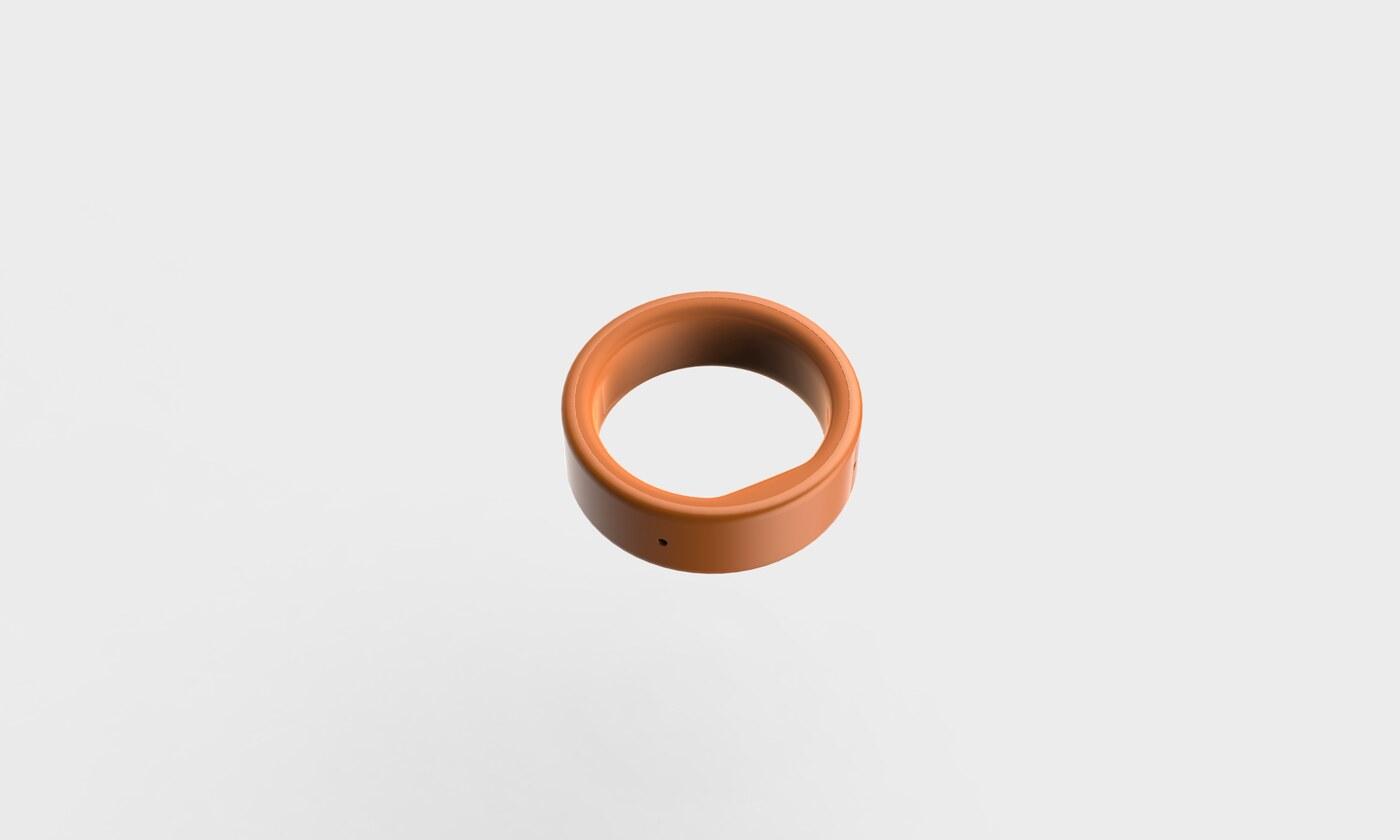
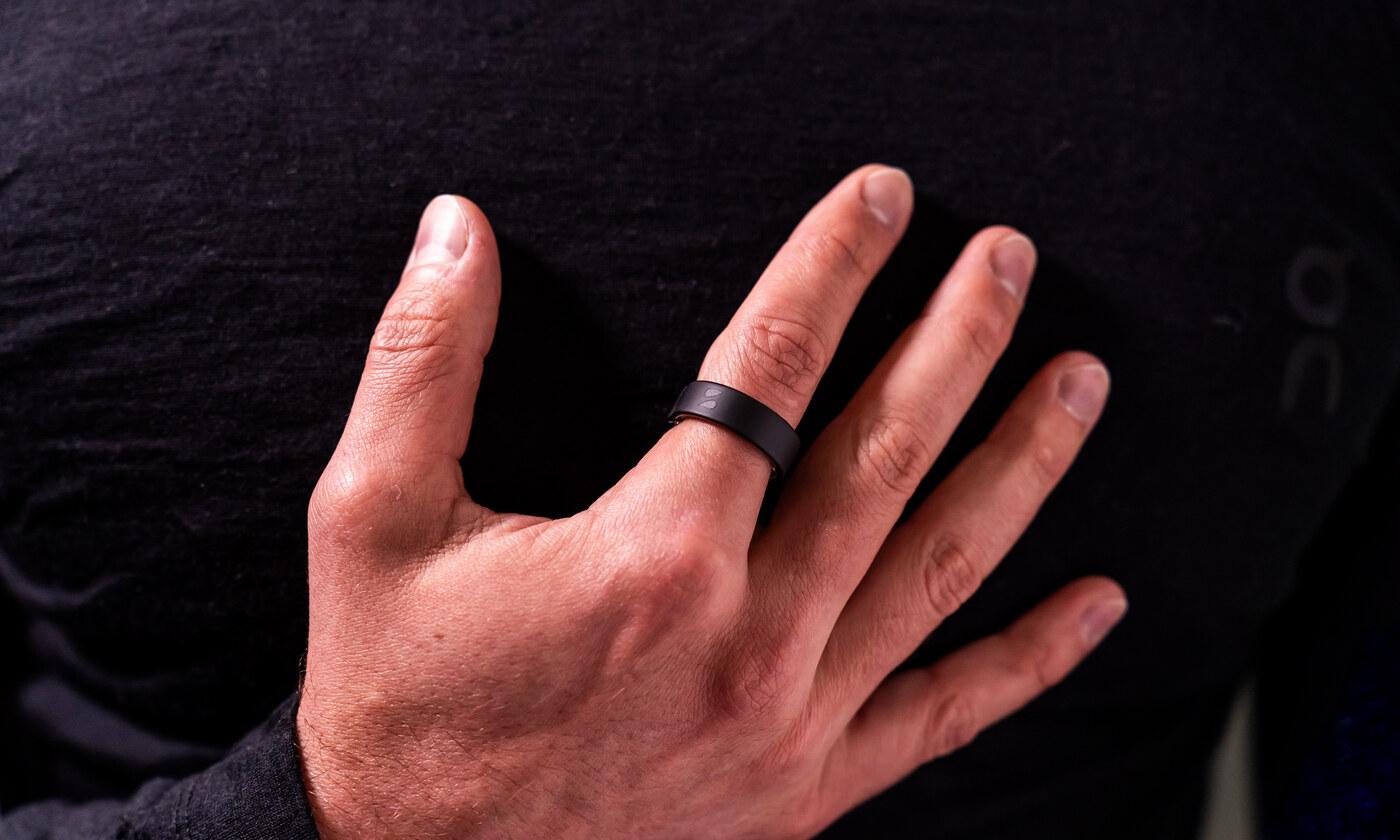
The first is the wearability budget. A device intended for 24/7 wear must be nearly unnoticeable; Spark Ring's spec sheet (under 3 grams, sub-8mm width, roughly 2.5mm wall thickness, no screen) reads like a bill of materials optimized for forgetting the device exists. That budget rules out large batteries and radios, which forces the second constraint: aggressive edge processing. Spark Ring runs automatic speech recognition (ASR) on device, uploads no raw audio, and encrypts the pipeline end-to-end, with up to 45 minutes of offline buffering when disconnected from a phone.
This architecture is usually narrated as a privacy feature, and it is one. A body worn microphone that streamed raw audio to the cloud would be a difficult product to defend in 2026's regulatory environment; privacy-by-design alignment with GDPR, the EU AI Act, and California's CPRA is now table stakes for the category. But the deeper point is economic. On device ASR converts the marginal cost of capture to near zero, letting vendors price software accessibly while reserving cloud inference for the higher value routing and drafting layer. When transcription is free at the margin, the subscription has to justify itself on what the model does with the words, not on the words themselves.
II. The Pragmatic Counter Thesis
Every platform shift narrative deserves stress testing, and this one has real physics to answer for.
Start with the battery. A sub-3-gram ring carries a battery capacity measured in the tens of milliamp-hours, and always ready wake detection plus on device ASR is exactly the duty profile that ages lithium cells fastest: frequent partial cycles, sustained peak draw, and a casing too small for thermal headroom. Vendors quote day-one battery life; the number that decides retention is battery life at month eighteen, after several hundred cycles. A capture device that lasts a full day in January and an afternoon by the following summer is a churn machine, and no spec sheet publishes that curve.
The second constraint is acoustic. A finger is, acoustically, one of the worst seats in the house: farther from the mouth than a lapel pin or a watch, frequently in pockets, near keyboards, wind, and steering wheels. Far field microphone work, the bet Vocci has placed, narrows the gap; physics caps it. This is exactly where the two ring philosophies split: Vocci spends its engineering on hearing you across a room, Spark spends its on understanding and routing what it hears, and each is only as strong as the constraint it chose to attack. The metric that will decide the category is word error rate under real conditions (multilingual speech, background noise, half mumbled fragments), and it is precisely the metric no vendor currently publishes.
The third is trust. Auto classification must be right enough that users stop checking it, since a capture tool you must verify is a capture tool you will abandon. And the competitive risks are conventional but real: crowdfunded hardware carries execution risk, and an incumbent with retail distribution can move down into all day capture faster than a startup can build retail distribution. The bull case survives these arguments only if the routing layer holds up against messy, real world speech, which is why independent testing of shipped units will matter more than any launch metric.
III. Stakeholder Implications
For investors: transcription margin compression. On device ASR turns transcription from a billable service into a free feature, and every incumbent subscription that is fundamentally a transcription toll will compress toward zero. Value migrates up the stack, to classification, routing, and drafting, and to whoever owns the capture entry point. Geography compounds this: North America decides whether the category becomes real, Europe is where privacy architecture converts most directly into sales (GDPR and the EU AI Act function as a de facto import filter for body worn microphones), and India and Southeast Asia are the leapfrog markets where a low cost, phone tethered capture device can skip the desktop productivity era entirely. A vendor that clears the European bar on day one amortizes one architecture across every market; one that bolts compliance on later inherits a re-engineering bill precisely when it should be scaling.
For software ecosystems: the threat of hardware gatekeepers. The capture ring's true competitor is not other rings but the productivity software stack, the Todoists, Apple Notes, and TickTicks, whose weakest link has always been the moment of input. If a wearable becomes the default way thoughts enter the system, task managers are demoted from front doors to storage backends, and access to the capture stream becomes the new distribution battleground. The software side is not standing still: in China, voice first note apps paired with the Apple Watch already simulate an estimated 80 percent of the experience at the wrist, proof both that the interaction model works and that a phone plus watch stack can approximate it. The open question is whether a purpose built device that removes the last two seconds of friction beats a good enough assembled workflow; the history of wearables says the product that removes the last two seconds tends to win the habit.
For policy makers: ambient surveillance concerns. A successful capture ring category means millions of always ready microphones on bodies in meetings, classrooms, and homes, and the bystander has no interface for consent. On device processing genuinely reduces the attack surface, since there is no raw audio honeypot in the cloud, which is why regulators should treat edge processing as the compliance baseline rather than a differentiator. The questions that need answers before scale, not after: disclosure norms for recording capable jewelry, retention rules for the structured data that outlives the audio, and whether "the audio never left the device" is an auditable claim or a marketing one.
IV. Practical Pathways
The strategic takeaways, stated plainly:
• For founders: win the routing layer, not the microphone. Transcription is commoditized; the defensible asset is classification accurate enough that users stop checking it. Publish word error rates under real acoustic conditions before a reviewer does it for you, design for battery aging from day one, and clear the strictest privacy bar (the EU's) first so one architecture serves every market.
• For enterprise CTOs: treat capture wearables as an input layer pilot, not a device rollout. Require on device processing and end to end encryption before any employee wears a microphone into a meeting, and evaluate vendors on API maturity, because the value only shows up when captured tasks route into the systems your teams already run.
• For hardware investors: underwrite trust metrics, not shipment counts. Wake latency, real world word error rate, and routing precision predict retention; launch week unit counts do not. Expect transcription toll subscriptions to compress, price the category on the routing layer, and watch for the single strongest confirmation signal available: an incumbent shipping a ring of its own.
Either way, the direction of travel is clear, and it is worth being explicit about what comes next. Voice capture is graduating from a recording accessory into the default input layer of personal AI: always worn devices that do not just transcribe what you said but anticipate what you need, surfacing the follow up before you ask, drafting the reply before you type, briefing you before you walk into the room. As inference migrates to the edge and interface friction becomes the binding constraint on personal AI, the winning device will be the one that is simply there when cognition happens. In 2026, that logic points, somewhat improbably, at the AI ring on your finger.